
Nigeria faces multiple security crises, from Boko Haram’s insurgency in the Northeast and armed banditry in the Northwest to separatist violence in the Southeast and farmer-herder clashes in the Middle Belt. Millions of people have been displaced, and thousands have been killed. Existing explanations often focus on the grievances that drive people towards violence or on the weaknesses that allow armed groups to flourish. My research examines a different but equally important question: how do state institutions contribute to the escalation of the conflicts they are meant to prevent and control?
My PhD developed the Institutional Escalation Thesis, which argues that Nigeria’s security crises cannot be understood through grievances or state weakness alone. Instead, conflicts can escalate through a predictable sequence of institutional failures. First, democratic institutions, including elections, political parties, legislatures and courts, fail to address legitimate grievances and demands for political inclusion. Second, coercive responses by the police and military deepen alienation and can intensify resistance. Third, security institutions often struggle to contain the violence, partly because of poor coordination, overstretch and weaknesses in their operational capacity. The state can therefore contribute to the escalation of conflicts that it subsequently struggles to control.
Drawing on more than 60 interviews and two focus group discussions with soldiers, police officers, civil servants, politicians, community leaders, activists and citizens across Nigeria’s major conflict zones, my research identifies recurring institutional patterns across different regions. By shifting attention from the conditions that enable conflict to the ways state institutions can intensify it, the Institutional Escalation Thesis offers a framework for understanding Nigeria’s security crisis and reconsidering how political institutions, governance and security responses shape conflict outcomes.
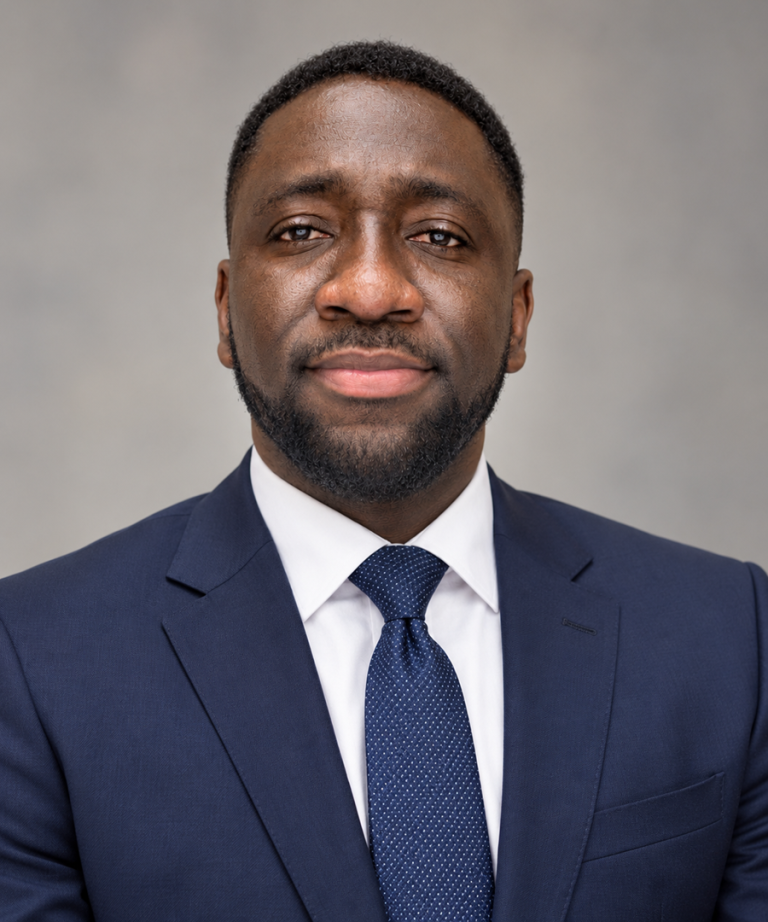
My fellowship provides an opportunity to consolidate the findings of my PhD and develop them into high-quality journal publications. I also aim to strengthen my methodological skills, expand my academic and policy networks, and develop the skills needed to build an independent academic career. Through the fellowship, I hope to contribute to interdisciplinary conversations at the Centre of African Studies and establish collaborations that will support my future research.
My advice to future applicants is to develop a clear and realistic plan for what they want to achieve during the fellowship. It is important to identify specific outputs, prioritise activities that will make a lasting contribution to your career, and take advantage of opportunities for mentoring, training and networking. Equally, be open to learning from researchers outside your immediate field and build relationships that can continue beyond the fellowship. A fellowship is not just an opportunity to complete a set of tasks; it is also an opportunity to develop as a researcher and prepare for the next stage of your career.

Scottish Graduate School of Social Science, proudly funded by

